
Valencian Wine: Tradition, Terroir and Unique Flavor
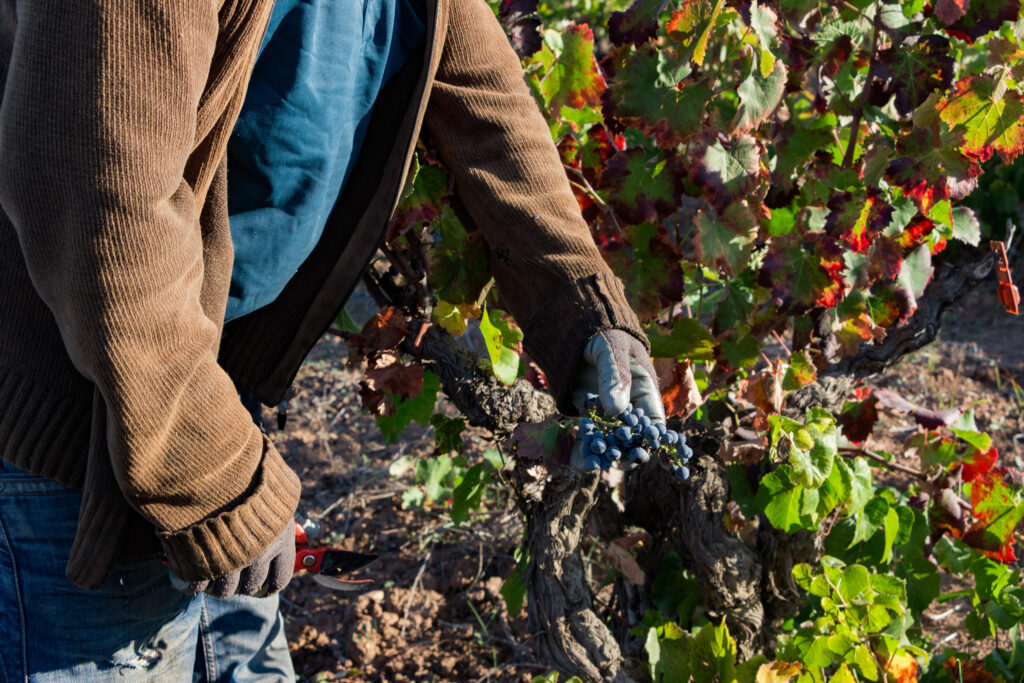
Valencian wine is one of true oenological treasures. Although it may not yet enjoy the same international fame as other appellations, the Valencian Community has become a reference point thanks to the quality of its wines, the richness of its native grape varieties, and the innovation of its wineries. At Vinya Alforí, as wine specialists and enthusiasts, we believe that discovering a Valencian wine is like opening a window to the Mediterranean, to history, and to the culture of our land. Our winery, set in a privileged environment, not only produces acclaimed wines but also welcomes visitors to experience them firsthand through tours and tastings.
The Tradition of Wine in the Valencian Community
The connection between Valencian land and wine spans more than a thousand years. Archaeological evidence shows that vine cultivation and winemaking were already practiced here in ancient times.
For much of the 20th century, production was focused on volume, with bulk wines destined for both national markets and export. In recent decades, however, the region has undergone a true transformation: an emphasis on quality, a revival of native grape varieties, and innovation in winemaking techniques. Today, Valencian wines are increasingly recognized on the national and international stage.
Designations of Origin for Valencian Wine
The Valencian Community has three main appellations of origin, each with its own personality and unique characteristics.
DO Valencia
The Valencia DO covers around 13,000 hectares and is divided into four distinct subzones:
- Alto Turia: located at altitudes between 700 and 1,100 meters, this is the coolest zone, producing dry white wines from Macabeo and Merseguera.
- Moscatel de Valencia: birthplace of the famous sweet Muscat of Alexandria, produced in towns such as Xiva, Xest, and Turís.
- Valentino Zone: known for its diversity of styles, blending native grapes with international ones such as Chardonnay, Cabernet Sauvignon, and Merlot.
- Clariano: covering areas such as La Vall d’Albaida and La Costera, where both fresh whites and characterful reds from Monastrell, Tempranillo, and Cabernet Sauvignon are produced.
DO Utiel-Requena
Located inland, this appellation is firmly linked to the Bobal grape, a native variety perfectly adapted to the local climate and soils. Bobal wines are known for their deep color, freshness, and excellent aging potential.
DO Alicante
In the province of Alicante, this DO blends tradition and modernity. Today it produces outstanding Monastrell reds as well as historic sweet wines, including the Fondillón, a unique and exclusive wine found nowhere else in the world.
The Most Representative Grape Varieties
One of the most appealing aspects of Valencian wine is the richness of its grape varieties. Among the most representative are:
- Monastrell: the queen of Valencian reds, producing fruity, intense wines with excellent aging potential.
- Bobal: the emblem of Utiel-Requena, resistant and sustainable, valued for its freshness and longevity.
- Muscat of Alexandria: the star of sweet and aromatic wines, closely tied to regional tradition.
- Macabeo and Merseguera: white grapes that bring freshness, lightness, and Mediterranean character.
Is There a Typical Style of Valencian Wine?
Unlike other regions, there isn’t just one “typical” Valencian wine. Instead, there is a wide diversity that reflects the richness of the terroir. Valencian wines can be:
- Full-bodied, fruity reds with structure.
- Fresh, aromatic whites, perfect with fish and rice dishes.
- Balanced, light rosés.
- Sweet or fortified Muscats, ideal as dessert wines.
This diversity makes Valencian wine versatile and appealing to a wide range of palates.
The Vinya Alforí Experience
At Vinya Alforí, we live wine with passion. Our winery, recognized as one of the most prestigious in the region, combines tradition and modernity to create wines that express the very best of the Valencian terroir. But we don’t just produce wines—we share our culture with visitors.
Guests can enjoy:
- Guided tours of the winery and vineyards, with explanations of the winemaking process.
- Commented tastings, designed to highlight the uniqueness of each wine.
- Wine tourism experiences that connect gastronomy with the local landscape.
We believe wine is best understood when it is lived, tasted, and shared. That’s why our winery has become an essential destination for wine lovers visiting Valencia.
Food Pairings with Valencian Wines
Valencian wine is a perfect companion to Mediterranean cuisine. Some pairing suggestions include:
- Monastrell reds with grilled meats.
- Young Bobal with traditional rice dishes such as paella.
- Merseguera or Macabeo whites with fresh fish or seafood.
- Moscatel de Valencia with desserts like coca de llanda or fresh fruit.
The versatility of these wines makes them ideal for both traditional cooking and more modern, innovative cuisine.
The Future of Valencian Wine
The future of Valencian wine looks bright. With a focus on sustainability, the recovery of old vines, and technological innovation, this region is gaining international recognition. Valencian wines are increasingly celebrated in competitions, reviews, and specialized guides. At Vinya Alforí, we are proud to be part of this movement. Our mission is to keep creating wines that express the essence of our land, while opening our doors to everyone who wants to discover the magic of Valencian wine.